Why are cruise ships registered in other countries?

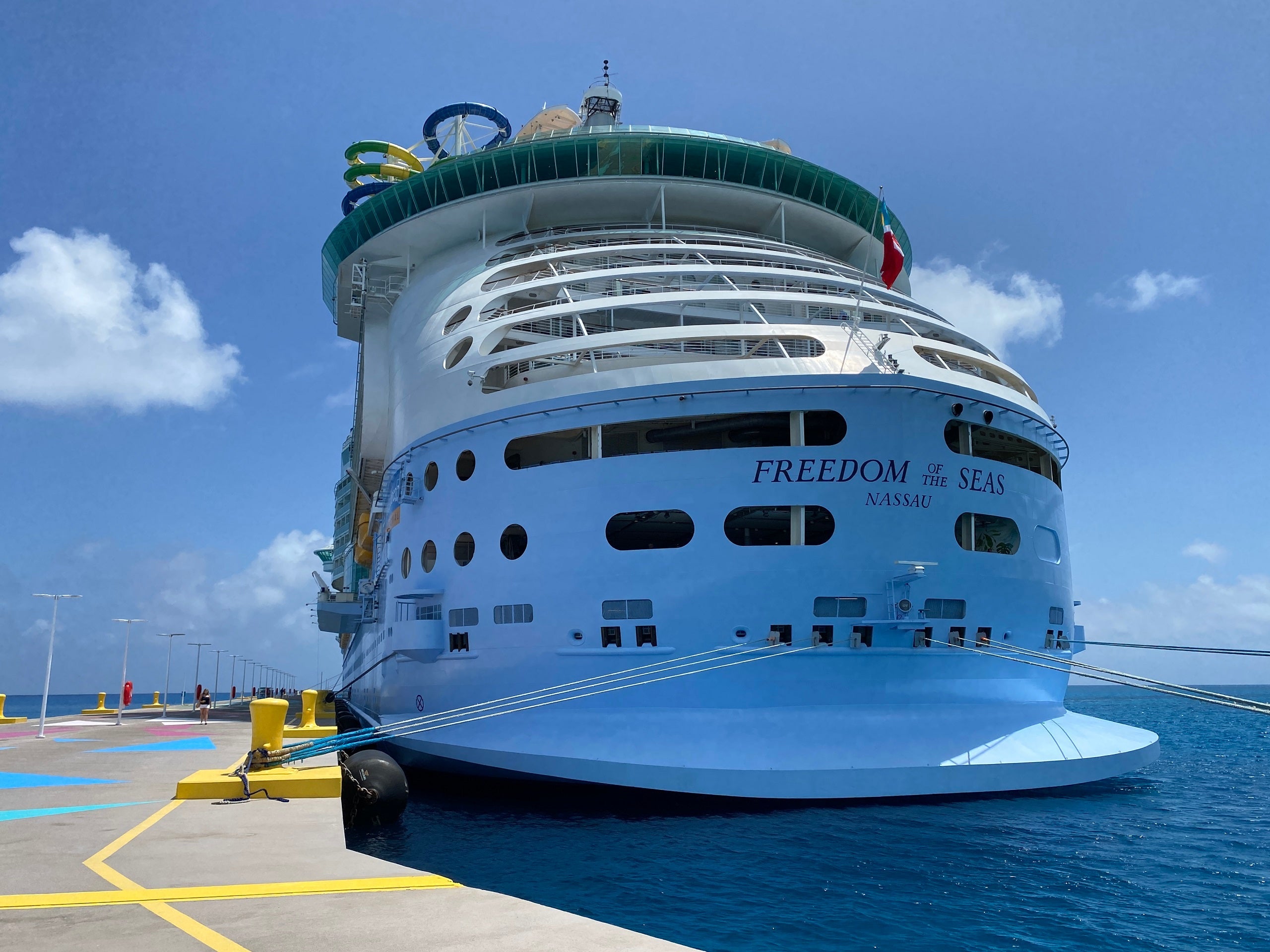
If you've ever seen the back of a cruise ship and wondered why it bears the name of a seemingly random city, you're not alone. That city represents the country in which the ship is registered. But, with cruisers from the United States making up the largest number of passengers in the global cruise market, why are cruise ships not registered in the U.S.?
Here, I'll explain why you're unlikely to see the names of U.S. cities emblazoned on cruise ships.
Where are cruise ships registered?
The names you'll most often see on ships are cities in the Bahamas, Bermuda, Panama, the Netherlands and the United Kingdom, among others. (For decades, Liberia also flew its flag on ships from several popular cruise lines, but that has since changed.) Registering ships in foreign countries — which charge cruise lines for the privilege of being registered there — is known as "flags of convenience."
Why are cruise ships registered in the Bahamas, Panama and other countries?
Because the ships weren't built in the U.S.
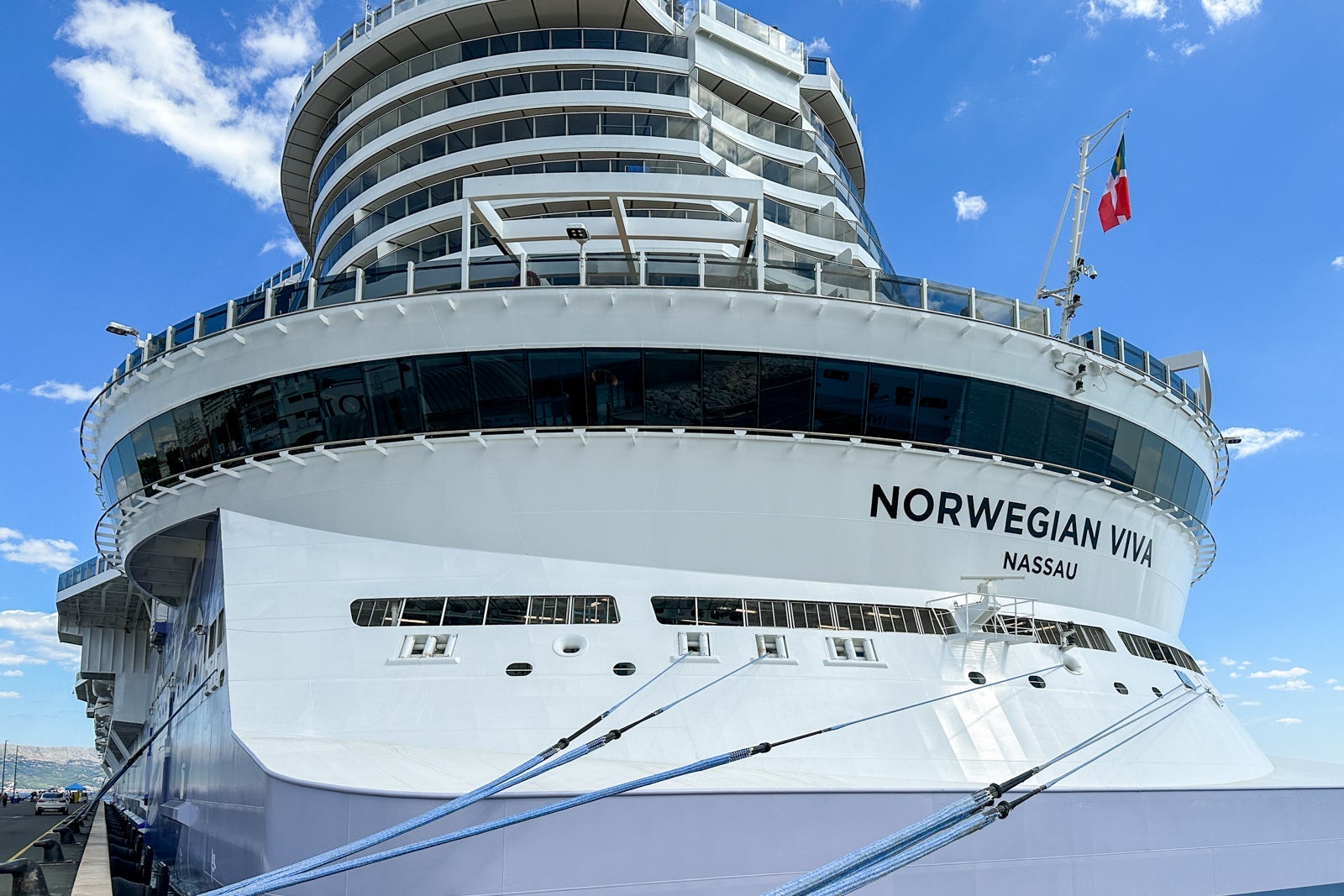
United States law doesn't allow vessels to be U.S. flagged unless they were built there. Unfortunately, there are no U.S. shipyards with the capacity or expertise to construct ships as large as today's behemoths, so they're built overseas — mostly in Europe.
Because cruise lines want to pay less in taxes
Cruise lines pay taxes to their home countries — the nations where their ships are registered. Lines often pay less in taxes when their ships are flagged in countries like Panama and the Bahamas, which saves them money.
That's not to say cruise lines don't pay taxes, though, including in the United States. Although the U.S. has a reciprocal agreement with most of the countries in which cruise ships are registered — meaning that if the U.S. doesn't federally tax those nations' vessels, they won't tax America's vessels, either — cruise lines still pay taxes in the United States annually but at a reduced federal rate.
As an example, in 2023, Carnival Corporation & PLC — which operates Carnival Cruise Line, Princess Cruises, Holland America Line, Cunard, Seabourn and other brands — paid $13 million in taxes on a loss of $62 million, according to its annual report. It also pays port docking fees and, in some ports, such as those in Alaska, a per-passenger head tax levied each time the ship visits.
Cruise industry spending in the U.S. in 2019 — before the COVID-19 shutdown — supported approximately $2.6 billion in direct taxes and more than $7.2 billion in total taxes (including direct, indirect and induced) for U.S. federal, state and local governments, according to the Cruise Lines International Association. On average, each $1 million the cruise industry spends in the U.S. supports approximately $102,000 of direct U.S. federal, state and local tax revenue.
Because cruise lines want lower labor costs

Salaries for the lowest-paid workers on cruise ships are low by American standards, but many crew members can earn more money on ships than they'd make working on land in their home countries. In addition to their pay, crew receive gratuities from passengers and opportunities to advance to higher-salaried positions.

Ships that are registered in the U.S. are required to employ American crew and pay them according to United States laws that require minimum wage. That, of course, drives up costs for the lines — and, subsequently, passengers — so it's more economical for cruise lines to flag their ships abroad.
By registering their vessels outside the U.S., cruise lines can also require their employees to work more than 40 hours per week without overtime pay — something that's necessary due to the nearly 24/7 operational nature of cruise ships and limited number of crew berths.
What cruise ship is registered in the U.S.?
The only mainstream megaship registered in the United States is Norwegian Cruise Line's Pride of America, which required a special government exception for its registration. Because it's flagged in the U.S., it can exclusively sail intra-island cruises around Hawaii without calling on a foreign port — something required for foreign-flagged ships under the Passenger Vessel Services Act.
Additionally, some smaller cruise ships registered in the United States include those in the fleets belonging to UnCruise Adventures and American Cruise Lines. Those companies operate smaller expedition-style vessels, riverboats and Great Lakes vessels that are U.S.-flagged. Due to their smaller sizes, they could be constructed and, therefore, registered in the U.S.
Bottom line
Cruise lines almost always register their ships in countries outside of the United States to reap benefits like lower taxes and reduced labor regulations. With lower operating costs, cruise lines can pass on those savings to passengers and keep cruise fares affordable.
Learn more about cruising with these TPG resources:
- Packing for a cruise? These items aren't allowed on board
- Man overboard: Cruise ship overboards and how they happen
- What is baked Alaska, and why is it paraded around cruise ships?
- What are the largest cruise ships in the world?
- What is the Jones Act, and how does it affect cruise ships?
- What is a lido deck on a cruise ship?
- What's a cruise cabin guarantee — and will it save you money?
- What's the difference between a cruise ship concierge and a butler?
TPG featured card


Rewards
| 2X miles | 2 miles per dollar on every purchase |
| 5X miles | 5 miles per dollar on flights and vacation rentals booked through Capital One Business Travel |
| 10X miles | 10 miles per dollar on hotels and rental cars booked through Capital One Business Travel |
Intro offer
Annual Fee
Recommended Credit
Why We Chose It
The Capital One Venture X Business Card has all the Capital One Venture X Rewards Credit Card has to offer and more. It offers an incredible welcome bonus and requires an equally impressive spend to qualify. In addition, the card comes with premium travel perks like annual travel credit. (Partner offer)Pros
- The Capital One Venture X business card has a very lucrative welcome offer.
- In addition, the card comes with many premium travel perks such as an annual $300 credit for bookings through Capital One Business Travel.
- Business owners are also able to add employee cards for free.
Cons
- The card requires significant spending to earn the welcome offer.
- Another drawback is that the annual travel credit can only be used on bookings made through Capital One Business Travel.
- LIMITED-TIME OFFER: Earn up to 400K bonus miles: 200K miles when you spend $30K in the first 3 months, and an additional 200k miles when you spend $150k in the first 6 months
- Earn unlimited 2X miles on every purchase, everywhere—with no limits or category restrictions
- Earn 10X miles on hotels and rental cars and 5X miles on flights and vacation rentals booked through Capital One Business Travel
- With no preset spending limit, enjoy big purchasing power that adapts so you can spend more and earn more rewards
- Empower your teams to make business purchases while earning rewards on their transactions, with free employee and virtual cards. Plus, automatically sync your transaction data with your accounting software and pay your vendors with ease
- Redeem your miles on flights, hotels and more. Plus, transfer your miles to any of the 15+ travel loyalty programs
- Every year, you'll get 10,000 bonus miles after your account anniversary date. Plus, receive an annual $300 credit for bookings made through Capital One Business Travel
- Receive up to a $120 credit for Global Entry or TSA PreCheck®. Enjoy access to 1,300+ airport lounges worldwide, including Capital One Lounge locations and Priority Pass™ lounges, after enrollment
- Enjoy a $100 experience credit and other premium benefits with every hotel and vacation rental booked from the Premier Collection
- This is a pay-in-full card, so your balance is due in full every month
- Top rated mobile app
Rewards Rate
| 2X miles | 2 miles per dollar on every purchase |
| 5X miles | 5 miles per dollar on flights and vacation rentals booked through Capital One Business Travel |
| 10X miles | 10 miles per dollar on hotels and rental cars booked through Capital One Business Travel |
Intro Offer
Earn 200K miles when you spend $30K in the first 3 months, and an additional 200K miles when you spend $150K in the first 6 monthsLIMITED-TIME OFFER: Earn up to 400K bonus milesAnnual Fee
$395Recommended Credit
Credit ranges are a variation of FICO® Score 8, one of many types of credit scores lenders may use when considering your credit card application.740-850Excellent
Why We Chose It
The Capital One Venture X Business Card has all the Capital One Venture X Rewards Credit Card has to offer and more. It offers an incredible welcome bonus and requires an equally impressive spend to qualify. In addition, the card comes with premium travel perks like annual travel credit. (Partner offer)Pros
- The Capital One Venture X business card has a very lucrative welcome offer.
- In addition, the card comes with many premium travel perks such as an annual $300 credit for bookings through Capital One Business Travel.
- Business owners are also able to add employee cards for free.
Cons
- The card requires significant spending to earn the welcome offer.
- Another drawback is that the annual travel credit can only be used on bookings made through Capital One Business Travel.
- LIMITED-TIME OFFER: Earn up to 400K bonus miles: 200K miles when you spend $30K in the first 3 months, and an additional 200k miles when you spend $150k in the first 6 months
- Earn unlimited 2X miles on every purchase, everywhere—with no limits or category restrictions
- Earn 10X miles on hotels and rental cars and 5X miles on flights and vacation rentals booked through Capital One Business Travel
- With no preset spending limit, enjoy big purchasing power that adapts so you can spend more and earn more rewards
- Empower your teams to make business purchases while earning rewards on their transactions, with free employee and virtual cards. Plus, automatically sync your transaction data with your accounting software and pay your vendors with ease
- Redeem your miles on flights, hotels and more. Plus, transfer your miles to any of the 15+ travel loyalty programs
- Every year, you'll get 10,000 bonus miles after your account anniversary date. Plus, receive an annual $300 credit for bookings made through Capital One Business Travel
- Receive up to a $120 credit for Global Entry or TSA PreCheck®. Enjoy access to 1,300+ airport lounges worldwide, including Capital One Lounge locations and Priority Pass™ lounges, after enrollment
- Enjoy a $100 experience credit and other premium benefits with every hotel and vacation rental booked from the Premier Collection
- This is a pay-in-full card, so your balance is due in full every month
- Top rated mobile app